

 iOS
iOS Android
Pokémon Go ©Copyright by Gamdise Do not Reproduce.
Pokémon Go became huge quickly, garnering tons of press and players shortly after its July 2016 launch. Created by augmented reality specialist Niantic Inc, it’s a massive-multiplayer, location-based spin-off from the role-playing fantasy series.
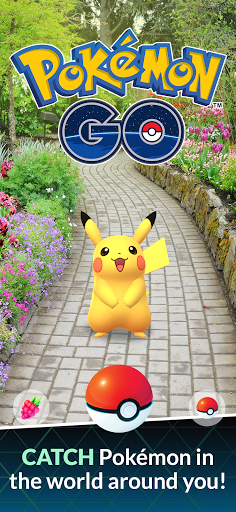
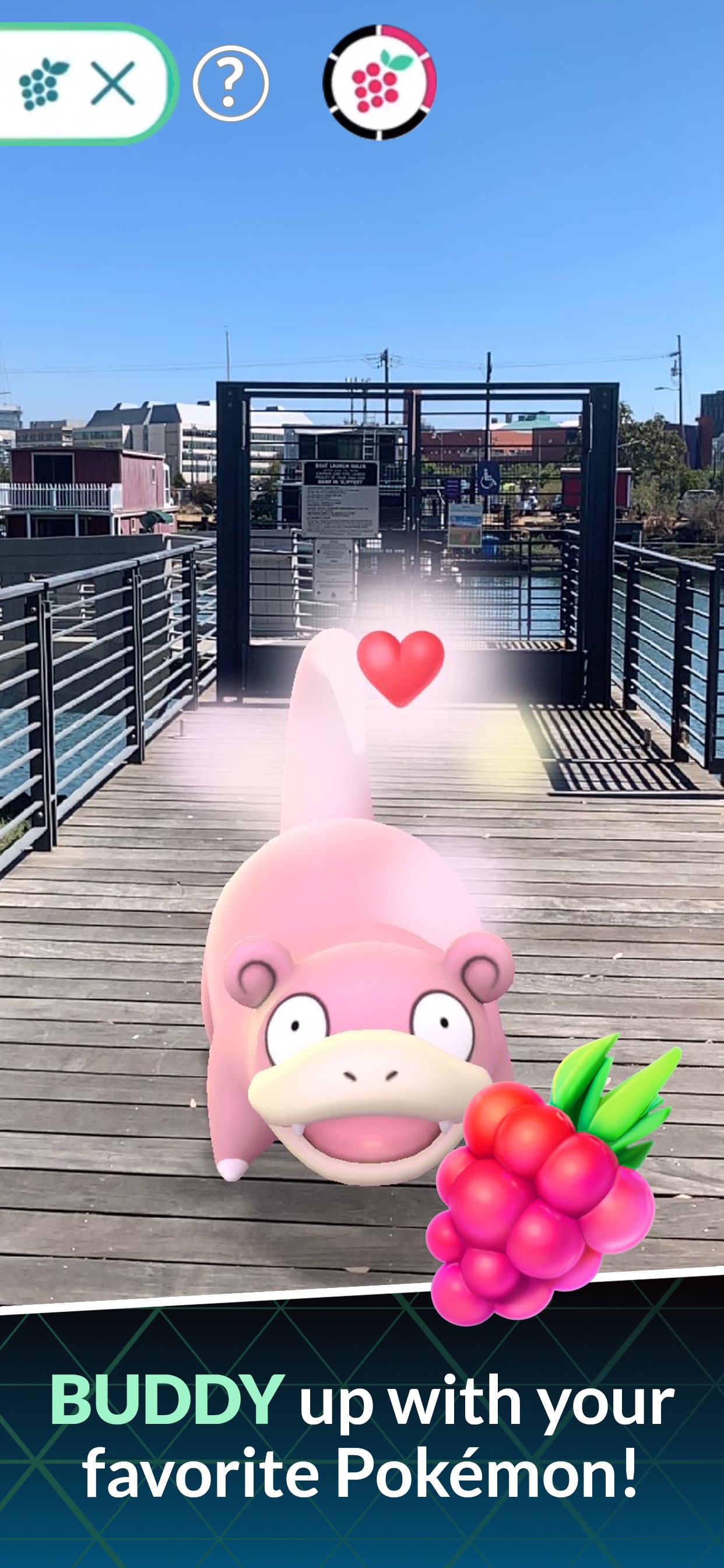
Pokémon Go encourages those now-grown Pokémon-crazed millennials to get outside and turn whole neighbourhoods into shared Pokémon safari parks. Using a player’s smartphone camera and GPS signal, the game makes it seem as if wild Pokémon are cropping up on the streets of the real world. When walking around and exploring, players – or trainers are greeted with rustling bits of grass, which signal a Pokémon’s presence. Walking closer will trigger them to appear, and tapping on them will initiate a Pokébattle.
It’s true that Pokémon Go is all about the grind and repetitive. But it really does reward you for walking around and doing the same thing over and over—you truly do see those places you find Pokémon differently, less as buildings to pass by or parks to jog through, and more as meaningful habitats for your favourite Pokémon. It’s one thing to spend a few months doing the routine of looking for and catching Pokémon, to do it for five years? It’s undeniably something special.
Pokémon Go’s biggest appeal was its community, the millions of people around the world who were eager to go Pokémon-hunting together during a time when we all wanted to be Player spent a ton of time in the name of catching special, rare Pokémon. People went as far as to craft exercise programs around the game, which required you to walk around and around.
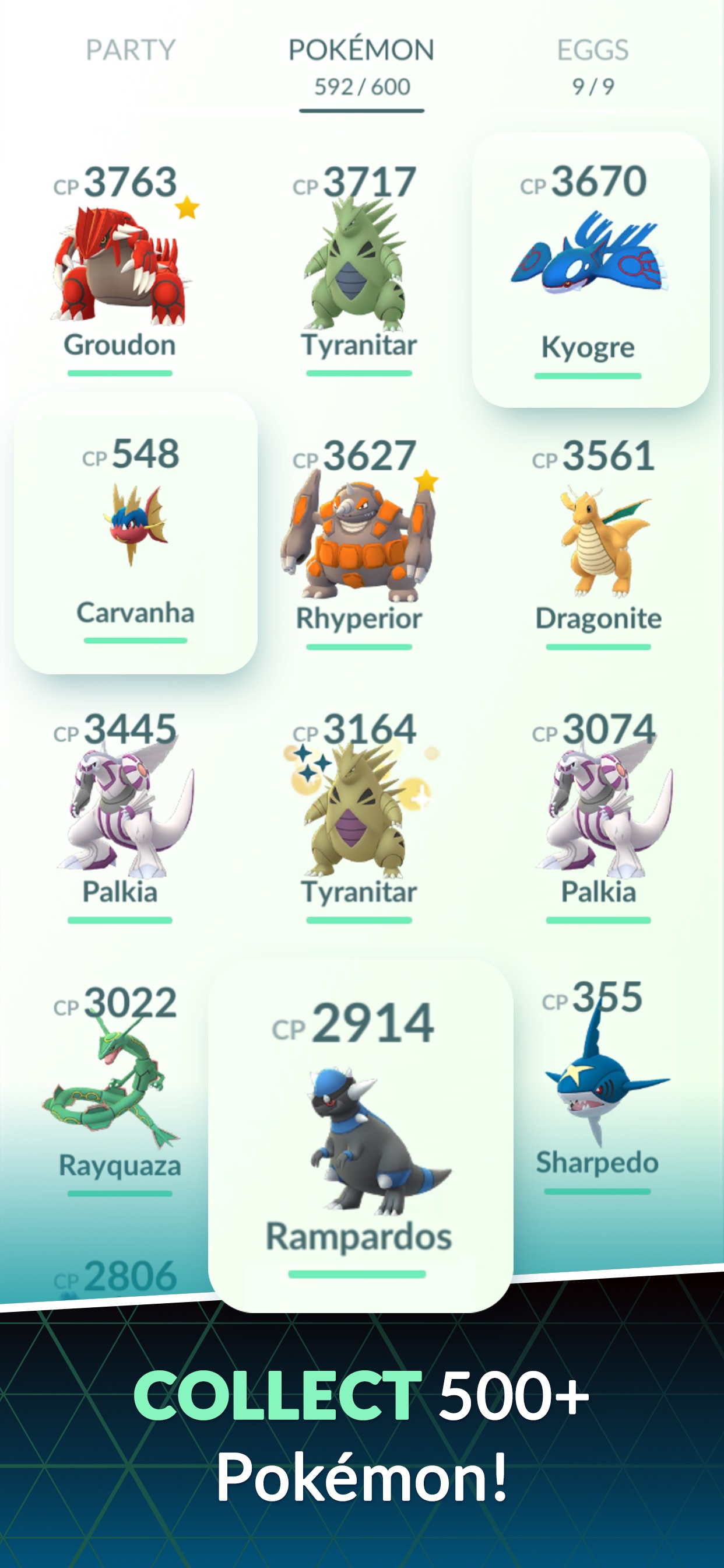
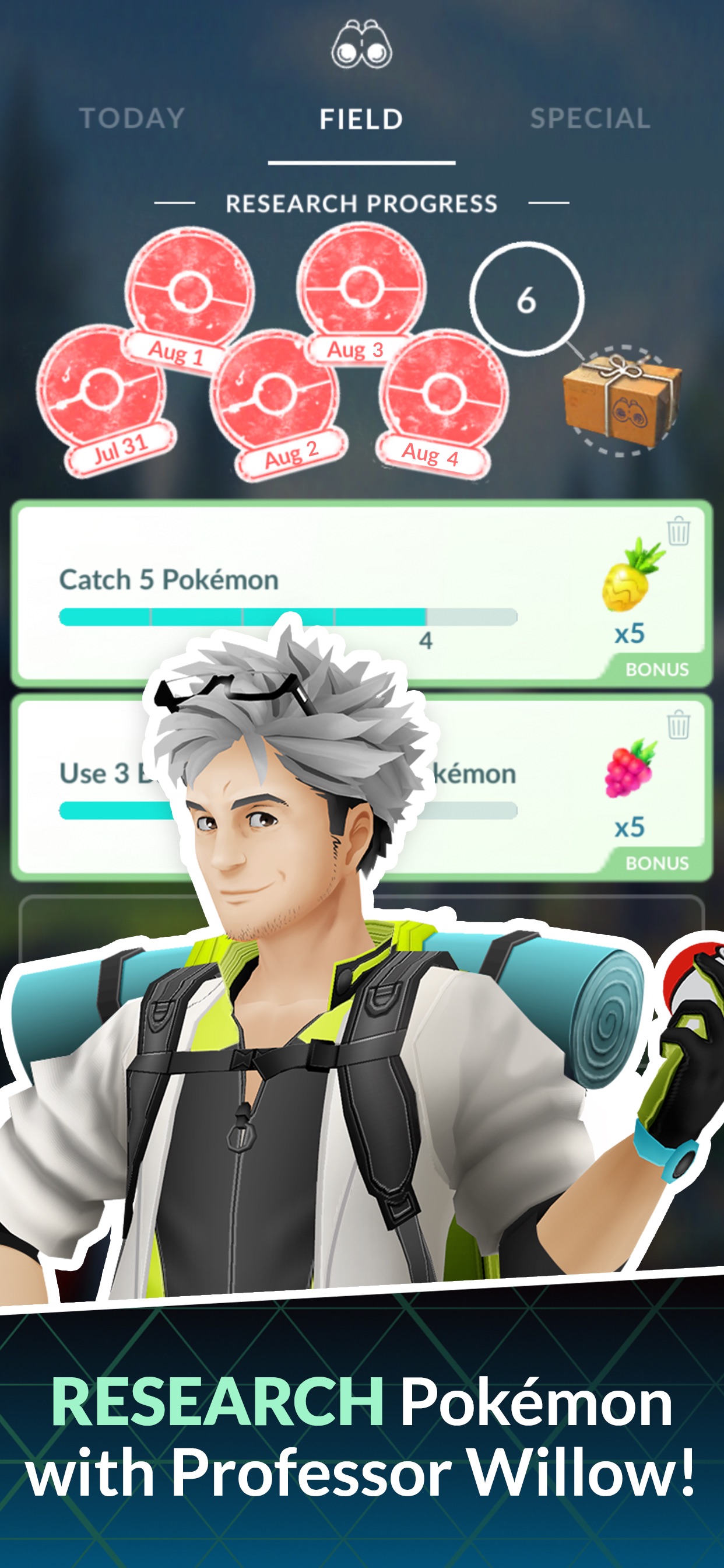
There are many more of these rare Pokémon to find in the game these days, which helps keep it interesting. More regular updates help freshen things up, whether it’s something as simple as a new set of missions to complete by performing certain tasks or the introduction of a few new monsters to search for.
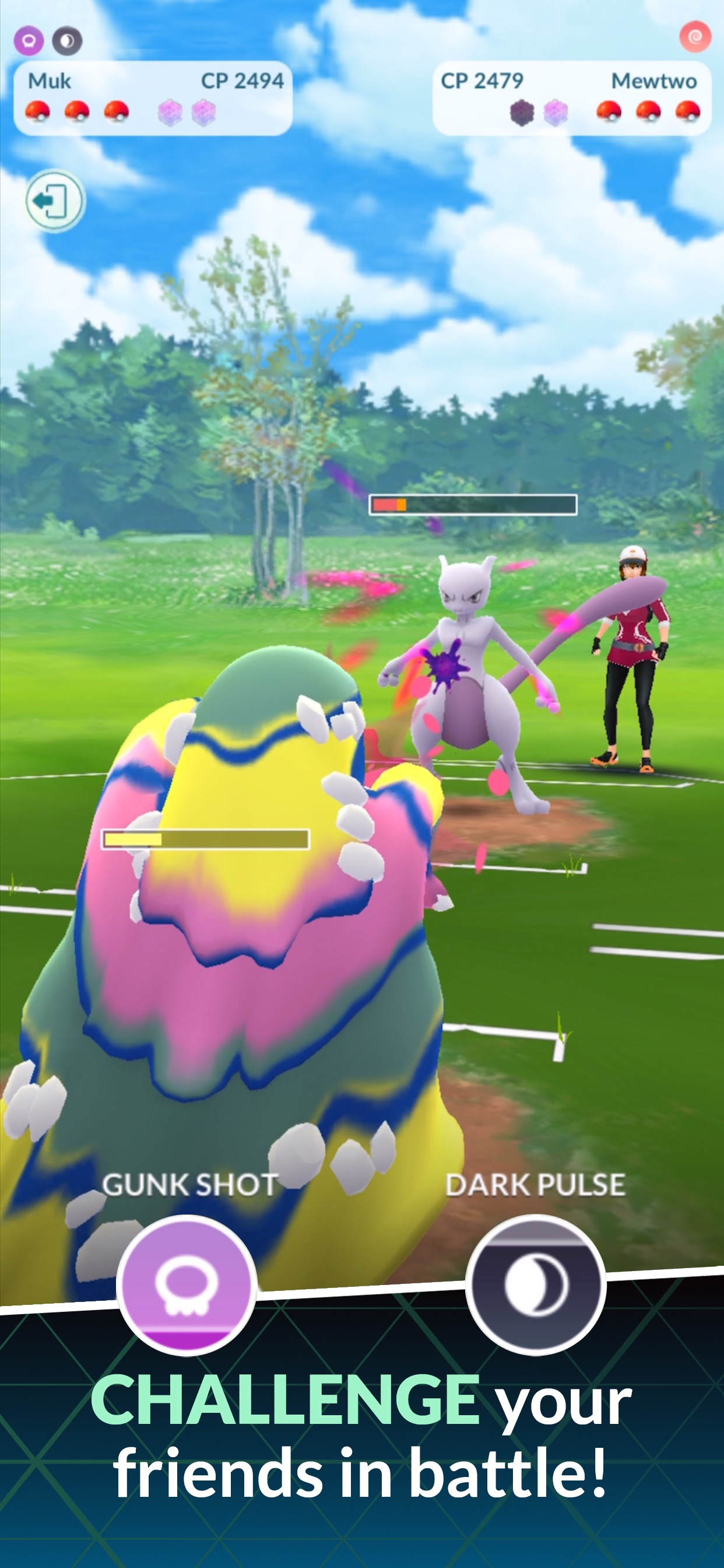
Battles for control of Gym locations are nothing more than simple, real-time tapping-based combat, and it’s virtually unaffected by anything other than combat point value. Even Pokémon’s rock-paper-scissors type matchups hardly matter, either — if you have the higher-powered monster, you’re all but guaranteed to win.
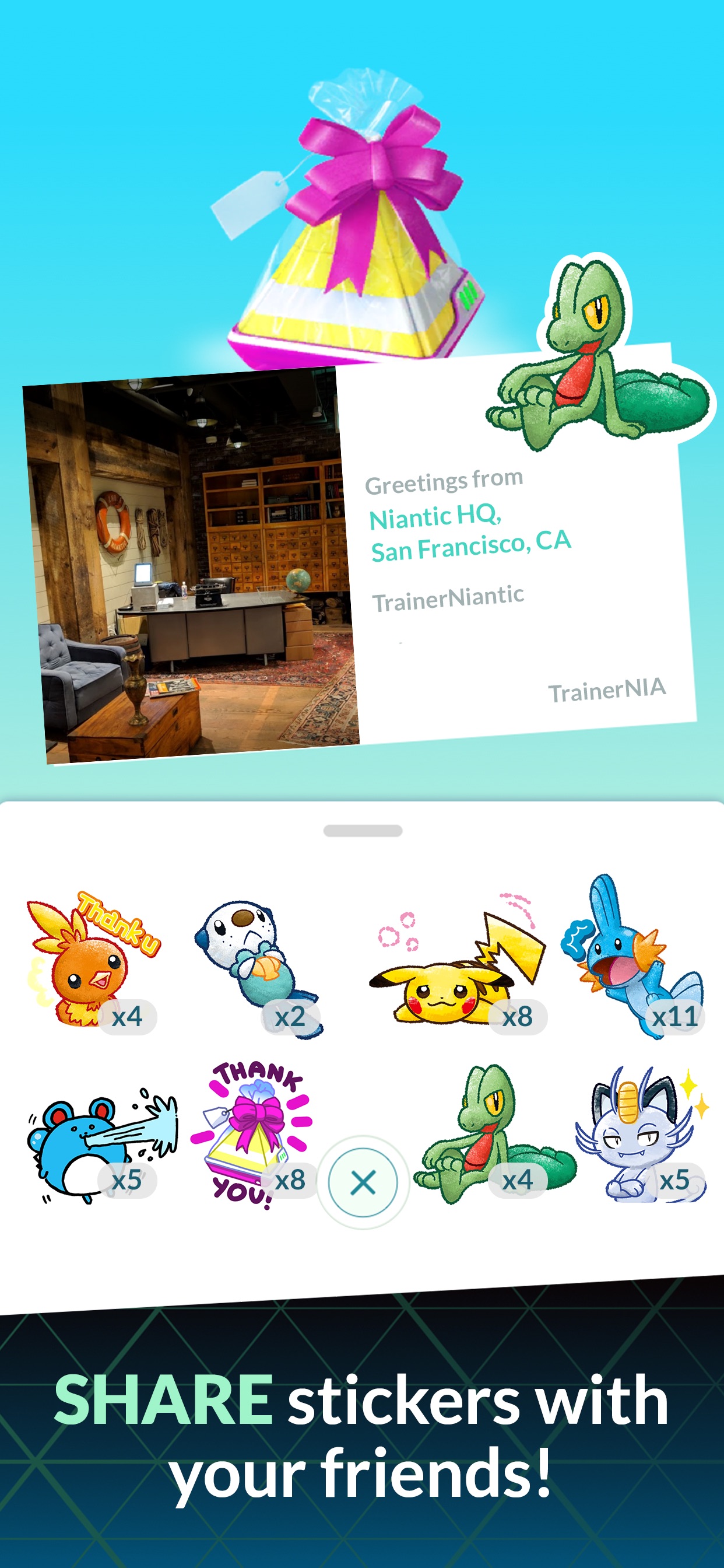
You can trade Pokémon and items with friends, or battle alongside (and against) them; these are key changes to make the game feel that much more like a full-fledged Pokémon game, to the delight of the millions of franchise fans who are among the most committed to the mobile game.
It has to be experienced to really make sense; without that social aspect it's really just an extremely light RPG level-grinder. It’s not mechanically interesting, but it is socially very interesting thanks to a few smart design decisions. You wouldn’t jump off a bridge because everybody’s doing it, but that is a great reason to play Pokémon Go.