

 iOS
iOS Android
Reverse: 1999 © Copyright by Gamdise Do not Reproduce.
Introduction:
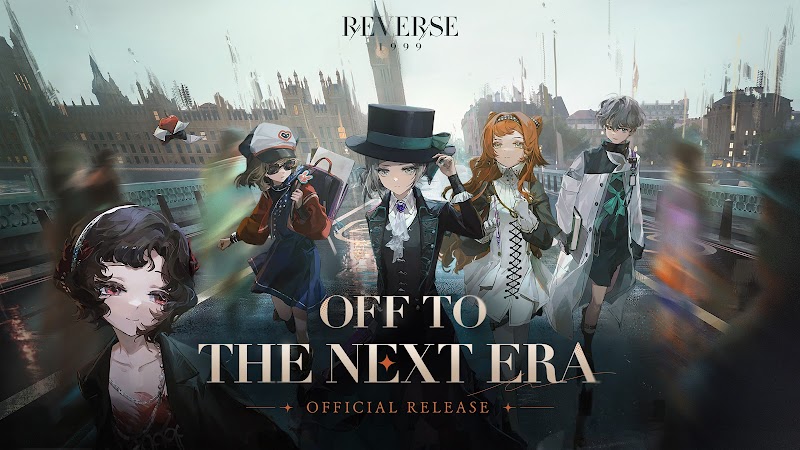
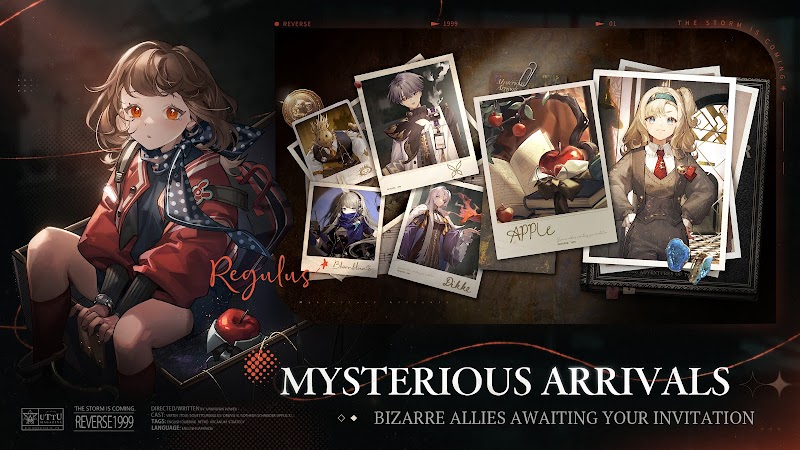
Reverse: 1999 is an unforgettable horror puzzle game developed by Red Candle Games that takes players on a chilling and atmospheric journey set in Taiwan in the late 1990s. With its unique gameplay mechanics, captivating storytelling, and innovative use of time manipulation, Reverse: 1999 stands out as a remarkable addition to the horror gaming genre.
Atmosphere and Visuals:
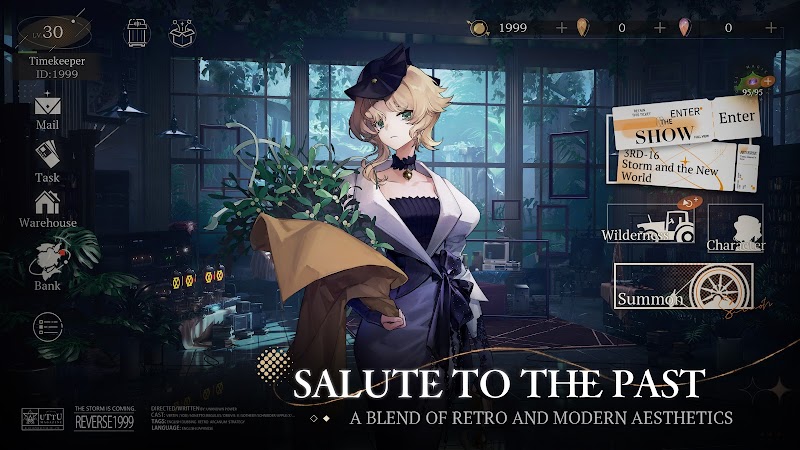
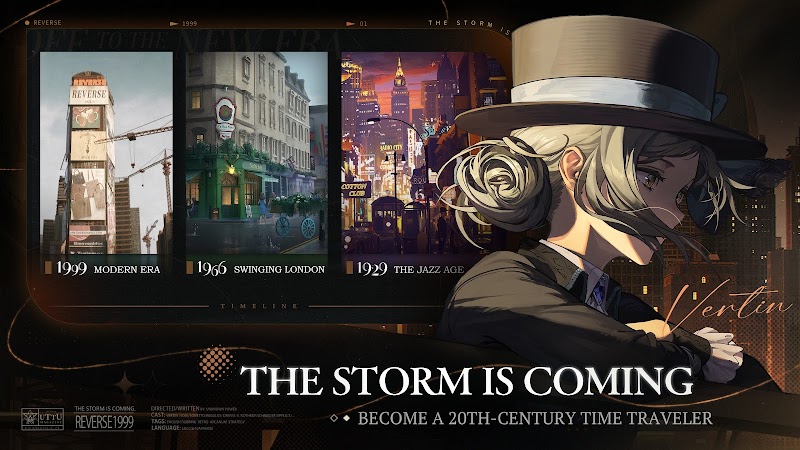
One of the standout elements of Reverse: 1999 is its exceptional atmosphere. From the moment the game starts, players are immersed in a creepy and unsettling atmosphere that pervades every corner of the haunted school. The retro-inspired visuals combined with the haunting sound design create a perfect blend of suspense and unease. The attention to detail in the environments is remarkable, with each location richly crafted to evoke a sense of nostalgia and dread. The lighting and atmospheric effects further enhance the game's eerie ambiance, making every step feel like a nerve-wracking exploration.
Gameplay and Puzzle-solving:
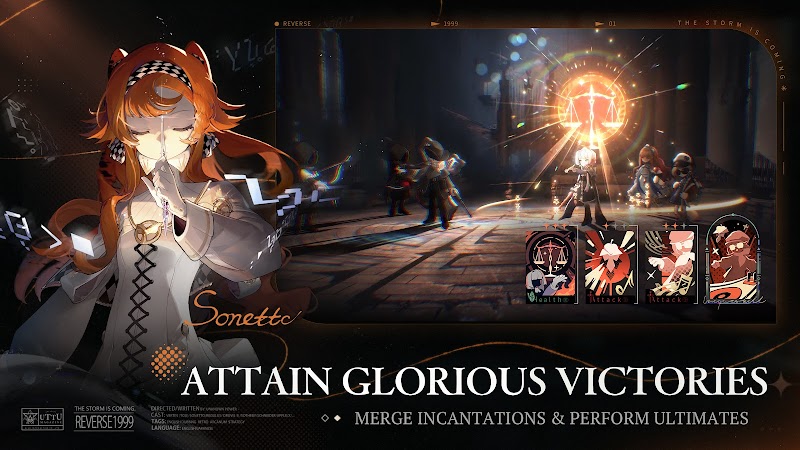
Reverse: 1999 delivers an innovative gameplay experience centered around time manipulation. The ability to rewind and fast-forward time brings a fresh twist to traditional puzzle-solving mechanics. As players navigate the school and encounter puzzles, they must strategically manipulate time to uncover hidden paths, reveal clues, and progress further in the game. This unique gameplay element adds a layer of complexity and challenge, elevating the entire puzzle-solving experience. The puzzles themselves are cleverly designed, requiring observation, logic, and outside-the-box thinking. Each solved puzzle feels satisfying and adds to the overall narrative, rewarding players for their commitment and perseverance.
Narrative and Storytelling:
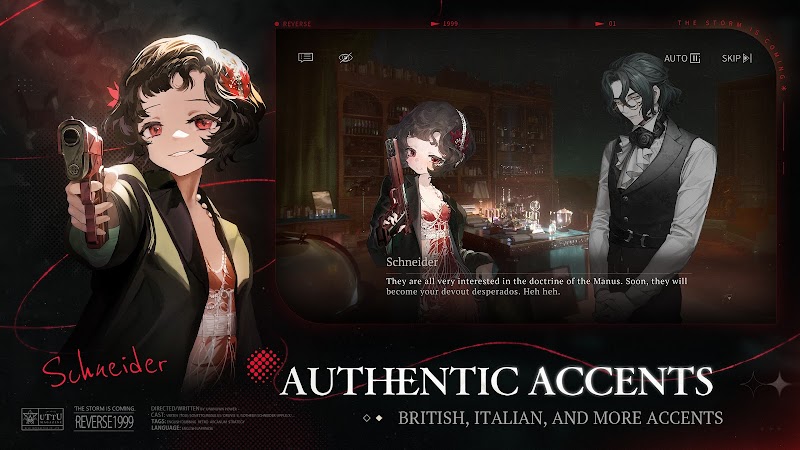
One of the strengths of Reverse: 1999 lies in its narrative and storytelling. The game artfully weaves together elements of East Asian folklore and cultural references, crafting an intriguing and dark storyline. As players delve deeper into the game, they uncover snippets of the school's history and the tragic events that unfolded within its walls. The narrative is revealed through environmental storytelling, documents, and ghostly encounters, creating a sense of mystery and suspense. The eerie atmosphere and well-paced story progression keep players engrossed, and eager to unravel the secrets hidden within the game.
Horror and Immersion:
Reverse: 1999 succeeds in delivering a sense of genuine horror and fear. The well-crafted sound design, from the subtle creaking of doors to the haunting whispers that echo through the hallways, immerses players in an unnerving and tense atmosphere. Jump scares are used sparingly but effectively, heightening the dread and keeping players on edge. The supernatural entities that players encounter are truly terrifying, with their unique designs and unsettling behaviors adding to the overall horror experience. Reverse: 1999's ability to create genuine fear and uneasiness sets it apart from other horror games and solidifies its place as a memorable and captivating experience.
Conclusion:
Reverse: 1999 is a haunting and innovative horror game that excels in its atmosphere, gameplay, storytelling, and immersion. With its retro-inspired visuals, atmospheric sound design, and clever use of time manipulation, the game delivers a unique and captivating experience for horror and puzzle enthusiasts alike. The well-paced narrative and challenging puzzles keep players engaged throughout their journey, while the genuine horror elements consistently deliver spine-chilling moments. If you're a fan of atmospheric horror games that prioritize storytelling and deep immersion, Reverse: 1999 is an absolute must-play. Prepare for a gripping and unforgettable experience that will leave you with a lingering sense of unease long after the game has ended.